Blinds vs. Shades: What’s the Difference and Which Is Right for Your Home?
When you're shopping for new window treatments, you may hear the terms blinds and shades used interchangeably. While both can provide privacy, light control, and an attractive finished look, they are actually quite different.
So which one is right for your home?
The answer depends on your windows, your needs, your decorating style, and how much control you want over light and privacy. Here's a simple guide to help you understand the difference.
What Are Blinds?
Blinds are window coverings made with individual slats or vanes that can usually be tilted to control the amount of light entering a room.
Common types include:
Wood blinds
Faux wood blinds
Aluminum blinds
Vertical blinds
Mini blinds
One of the biggest advantages of blinds is the amount of control they provide. Tilting the slats allows you to adjust the amount of sunlight and privacy without necessarily opening the entire window covering.
Blinds are also available in a variety of colors, materials, and styles, making them suitable for many different types of rooms.
What Are Shades?
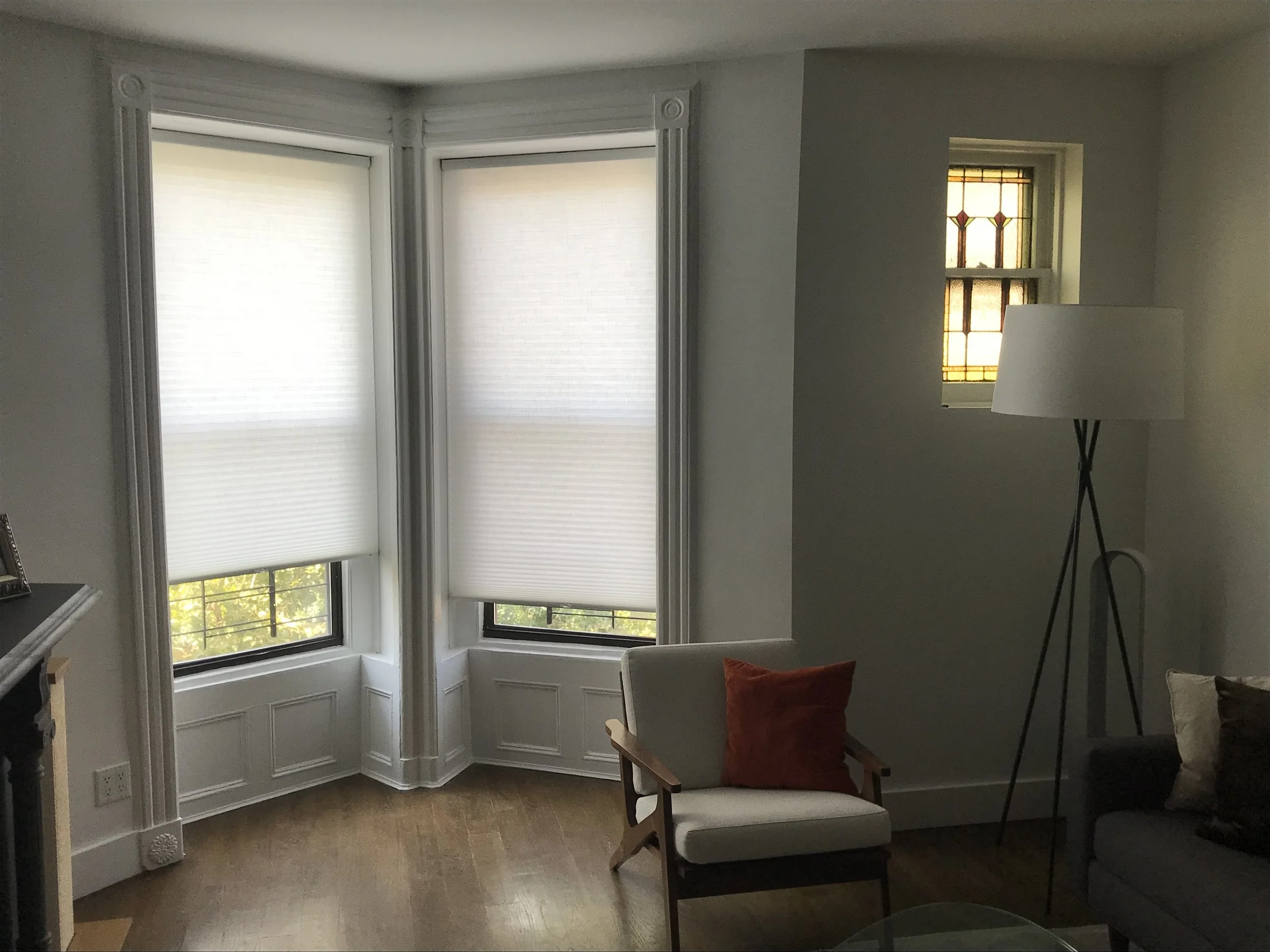
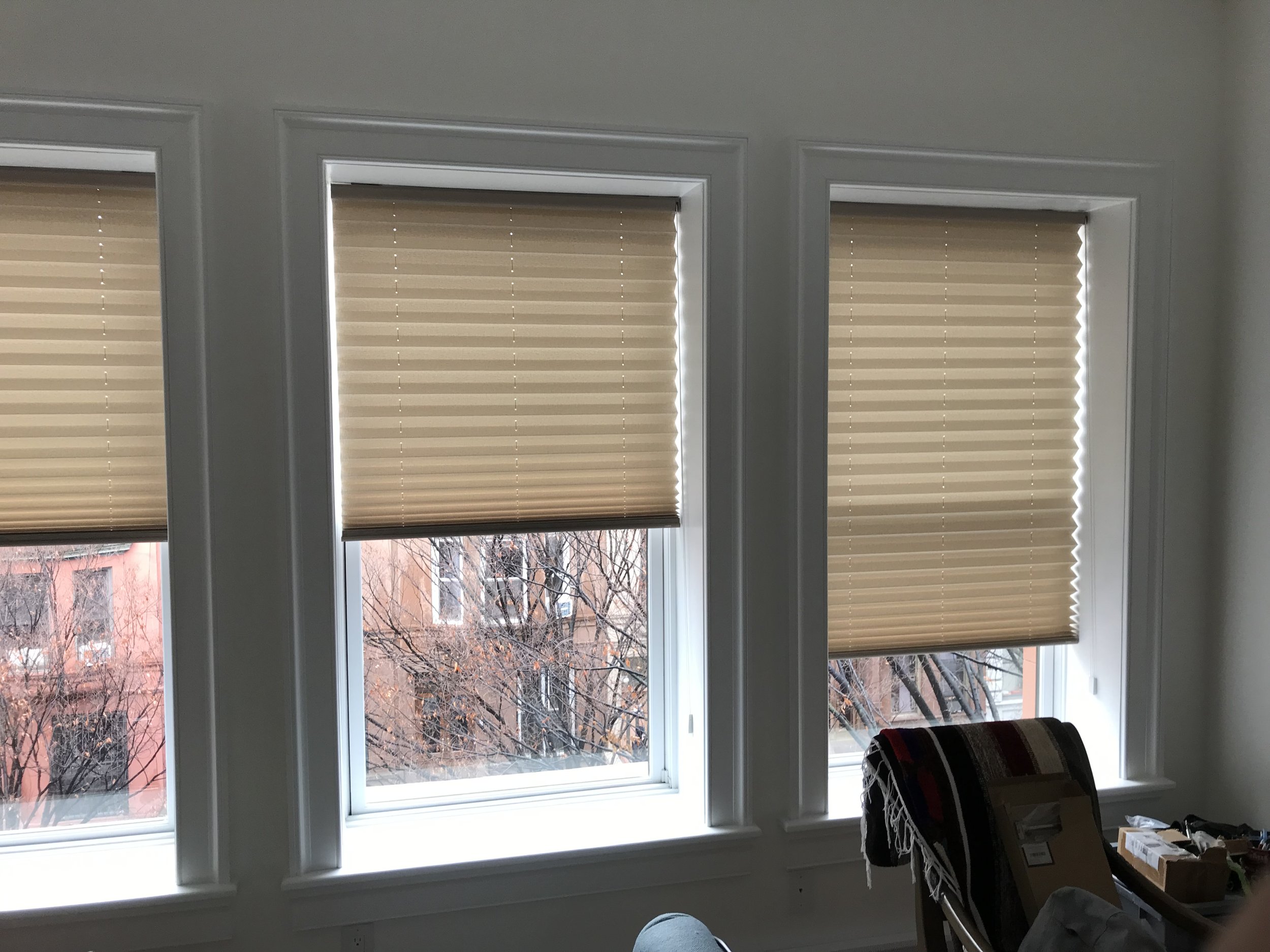
Shades are generally made from a continuous piece of fabric or another material that raises and lowers over the window.
There are many different styles of shades, including:
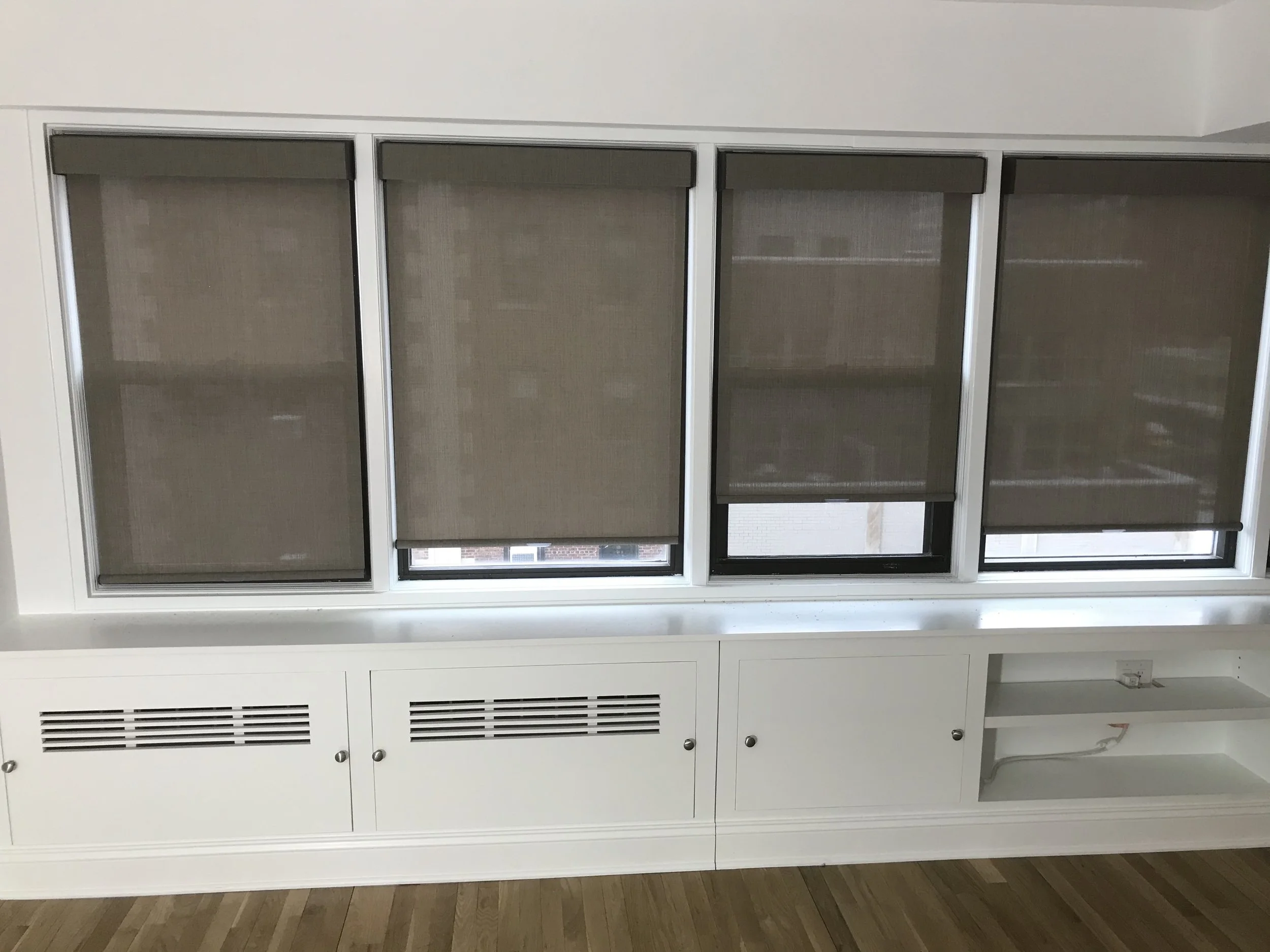
Roller shades
Cellular shades
Roman shades
Solar shades
Blackout shades
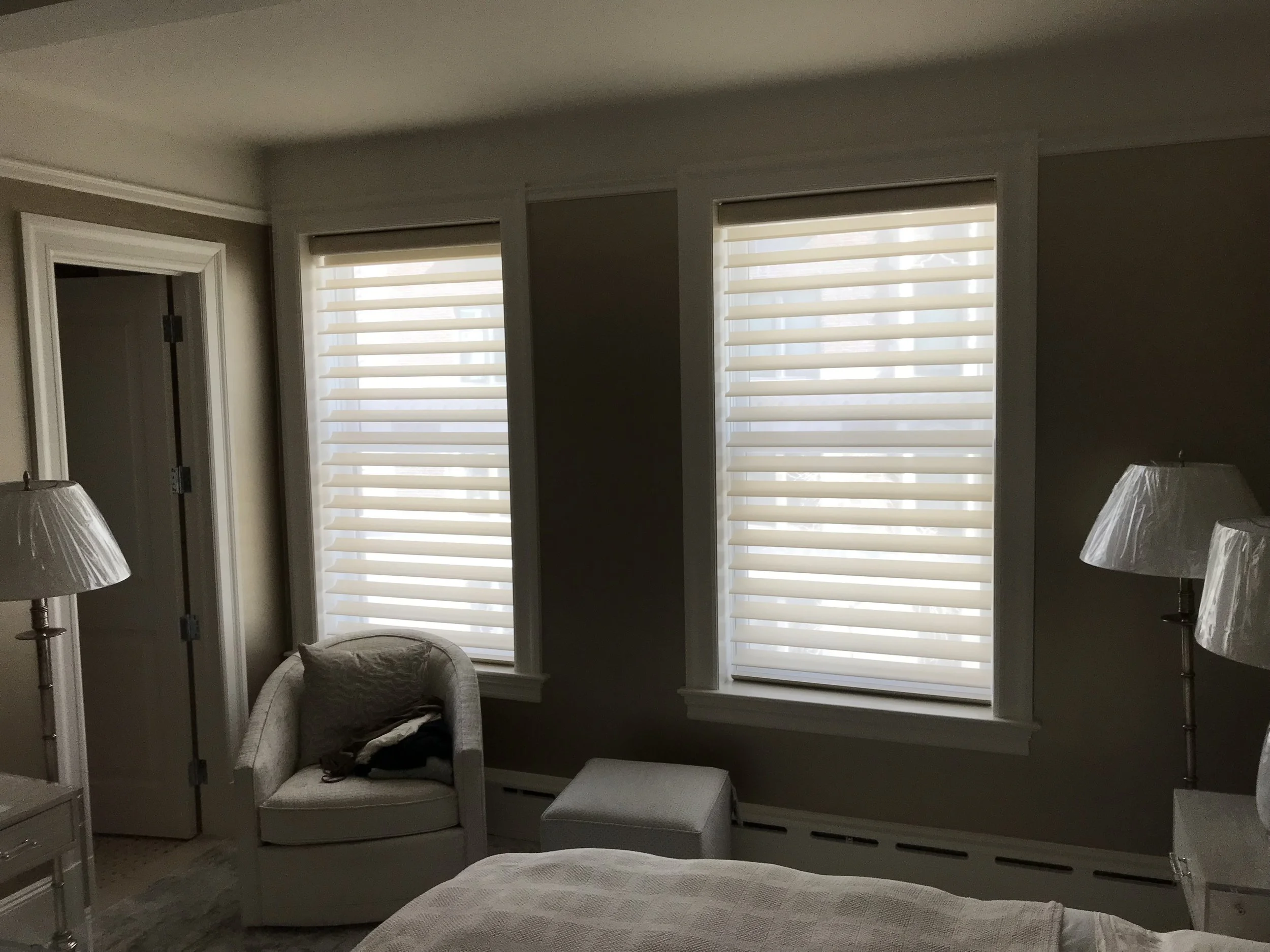
Sheer shades
Zebra shades
Motorized shades
Because shades are available in so many fabrics, colors, textures, and patterns, they can provide a softer or more decorative appearance than some types of blinds.
Different shade materials can also provide very different levels of light control, privacy, and insulation.
Blinds vs. Shades: What's the Biggest Difference?
The simplest way to think about it is:
Blinds use adjustable slats or vanes, while shades use a continuous material that raises and lowers.
That difference affects how they look and how they control light.
Light Control
Blinds allow you to tilt the slats to direct or limit incoming light.
Shades can provide different levels of light control depending on the type and material selected. For example, a blackout shade can significantly reduce the amount of light entering a room, while a solar shade can reduce glare while still allowing you to see through the window.
Privacy
Both blinds and shades can provide privacy, but the best choice depends on the particular product.
Blinds can be tilted to allow some light into a room while limiting the view from outside.
Many shades are also available in privacy and blackout materials designed specifically for rooms where privacy is important.
Appearance
Blinds tend to have a more structured appearance because of their individual slats.
Shades can have a softer appearance and offer a wide range of fabrics, colors, textures, and patterns.
Neither is necessarily better. The right choice depends on the look you want and how you want the room to function.
Which Is Better for Different Rooms?
There isn't one window treatment that is perfect for every room.
Bedrooms
Privacy and light control are often important in bedrooms. Depending on your needs, blinds, blackout shades, or other room-darkening shades may be good options.
Living Rooms
Living rooms often benefit from window treatments that balance appearance, privacy, and natural light.
Both blinds and shades can work well, depending on the size and location of the windows and the overall design of the room.
Kitchens
In kitchens, easy cleaning and moisture resistance may be important considerations. The best choice will depend on the location of the window and how much exposure it has to cooking, moisture, and everyday activity.
Home Offices
If your home office receives direct sunlight, glare can become a problem when you're working at a computer. Certain shades can help reduce glare while still allowing natural light into the room.
What About Large Windows?
Large windows can require a little more planning.
The size and configuration of the window can affect whether one large window treatment or multiple treatments would work better. The weight of the treatment, how it will operate, and the available mounting surface should also be considered.
This is one situation where professional measuring and installation can be particularly helpful.
Should You Choose Blinds or Shades?
There isn't a universal answer.
The best window treatment depends on several factors, including:
The size and shape of your windows
How much natural light you want
Your privacy needs
The room where the treatment will be installed
Your decorating style
How frequently the window treatment will be used
Your budget
Whether you want manual or motorized operation
Sometimes the best solution is blinds. Sometimes it's shades. And in some homes, a combination of different window treatments makes the most sense.
Professional Measuring and Installation
Choosing the window treatment is only part of the process.
Proper measuring is important because windows aren't always perfectly square or identical in size. The type of mounting surface and whether you choose an inside or outside mount can also affect the final result.
Professional installation can help ensure that your window treatments are properly measured, mounted, and operating as they should.
At DB Interiors, we install both blinds and shades and can help you determine which type of window treatment is appropriate for your particular windows and needs.
Ready to Choose the Right Window Treatment?
Choosing between blinds and shades doesn't have to be complicated. The right window treatment depends on your windows, how you use the room, the amount of light and privacy you want, and the look you're trying to achieve.
DB Interiors installs both blinds and shades and can help you find a window treatment that works for your home and your needs.
Contact DB Interiors to discuss your options or schedule a consultation.
